Spider Pest Removal & Exterminator in Missouri, MO
Fast-response spider control for Missouri homes, apartments, and businesses — reduce sightings and protect your space.
Spiders often move indoors through gaps around doors, windows, vents, and basements—especially when weather shifts and insects (their food source) follow. Our Missouri spider pest removal support helps identify activity, treat common hiding spots, and reduce re-entry with practical prevention steps. If you’re concerned about brown recluse or frequent indoor sightings, we’ll guide you with a clear plan for inspection, targeted treatment, and next steps.
- Spider Inspection
- Entry-Point Sealing Tips
- Targeted Treatment

Why spiders keep showing up in Missouri homes?
In Missouri, spiders often move indoors when temperatures change, rain pushes insects inside, or gaps around doors and windows give them an easy entry. The real issue is usually the food source (flies, ants, roaches), plus cluttered storage areas where spiders can hide undisturbed.
Spider control inspection & treatment in Missouri

- Entry points around doors and windows where small gaps, worn weather-stripping, and cracks let spiders and insects slip inside.
- Basements, garages, and crawlspaces that stay dark and quiet — ideal for webs, egg sacs, and repeat sightings near stored boxes.
- Indoor insect activity (the food source) that attracts spiders — reducing other pests often reduces spider presence too.
- Outdoor-to-indoor migration during seasonal shifts, storms, and temperature drops, especially near woodpiles, siding gaps, and foundation lines.
Missouri neighborhoods & ZIP codes we serve
We provide spider pest removal and exterminator support across Missouri — including Adair County, Boone County, Jackson County, and nearby communities. If you’re seeing frequent webs, indoor sightings, or concerns about brown recluse, we can help with inspection, targeted treatment, and prevention steps.
Kirksville, Brashear, Gibbs, Greentop & Novinger
Spider activity in basements, garages, and storage areas — plus entry-point guidance to reduce re-entry.
Columbia, Ashland, Centralia, Hallsville & Sturgeon
Indoor sightings in apartments, homes, and offices — inspection + targeted treatment for common hiding spots.
Independence, Lee’s Summit, Blue Springs & Grandview
High-demand metro spider control — focusing on entry points, garages, basements, and recurring web zones.
St. Louis, Chesterfield, Florissant & Maryland Heights
Spider treatment plans for homes and rentals — especially around basements, utility rooms, and window wells.
Early inspection + targeted treatment helps reduce spider sightings, limits re-entry, and improves long-term prevention — especially when you address entry points and indoor insect activity in Missouri.
Spider Pest Removal & Control Services in Missouri, MO
Missouri homes can attract spiders through cracks, garages, basements, crawlspaces, and cluttered storage areas — especially when other insects are present as a food source. We help identify common hiding spots, reduce indoor activity, address entry points, and guide you on prevention steps so spiders are less likely to return.

Spider Inspection & Activity Confirmation
We check common spider zones like corners, basement edges, garages, crawlspaces, window frames, and storage areas. You’ll get a clear picture of where activity is coming from and what to do next.
Same-week scheduling available in many Missouri areas
Call for an inspection
Indoor Spider Removal & Targeted Treatment
We focus treatment along baseboards, wall junctions, behind furniture, and other pathways where spiders travel. This helps reduce indoor sightings and disrupts the spots where spiders prefer to nest.
Ideal for bedrooms, basements, and high-activity rooms
Schedule removal
Exterior Perimeter Defense
Many spider problems start outside. We help reduce spider harborage near the home and reinforce key entry areas like doors, windows, vents, and foundation gaps so fewer spiders make it indoors.
A strong option for recurring spider sightings
Get perimeter help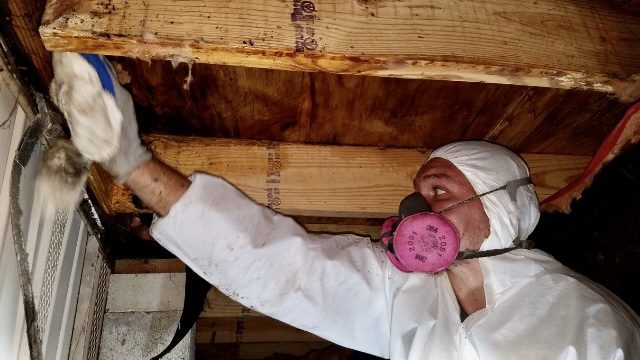
Basement, Crawlspace & Garage Spider Control
Spiders often settle in lower, quieter areas. We target typical hotspots like basement rim edges, crawlspace access points, garage corners, and behind stored items — plus we share simple steps to reduce hiding spots.
Common issues: clutter, humidity, and insect activity
Talk to a specialist
Web Removal & Nesting Site Cleanup
Web buildup is a strong signal of ongoing spider activity. We help remove webs and address nesting-friendly areas around eaves, porch corners, storage spaces, and other common web zones.
Great for porches, entryways, and exterior corners
Book cleanup help
Entry Point Sealing Guidance
Small gaps are enough for spiders to get inside. We point out the most common entry points and share practical sealing steps — like improving door sweeps, repairing screens, and closing foundation cracks.
Simple improvements that reduce re-entry
Get prevention tips
Brown Recluse & Risk-Area Guidance
If you’re concerned about brown recluse, we focus on likely risk areas like stored items, closets, basements, garages, and seldom-used corners. You’ll get guidance on safer handling and smart next steps.
Clear guidance for higher-concern spider situations
Call for guidance
Urgent Spider Control Help
If spiders are showing up daily or you’re seeing them in multiple rooms, we’ll help you take the right immediate steps, prioritize key zones, and reduce the chances of spiders spreading through storage and shared spaces.
Priority support available where scheduling allows
Get urgent help
Safe Cleanup Guidance
Not every spider problem needs heavy treatment, but random spraying can miss the real cause. We’ll guide you on safer immediate steps, cleanup best practices, and the most effective next step based on your home and activity level.
Quick phone guidance to help you choose the right path
Talk to us nowOur 7-Step Black Mold Removal, Cleanup & Remediation Process
Black mold can spread quickly when moisture is present — especially in humid Louisiana homes. Here’s the simple, step-by-step process we follow to find the source, contain the area, remove mold safely, and help prevent it from coming back.

-
Step 1: Call & Quick Situation Review
You share your location, what you’re seeing (spots, odor, water damage), and where it’s happening (bathroom, attic, walls, crawlspace). We ask a few quick questions and schedule the next step. -
Step 2: On-Site Mold Inspection & Moisture Check
We inspect affected areas, look for hidden moisture, and identify likely sources such as plumbing leaks, roof leaks, poor ventilation, or past flooding — because mold won’t stop unless moisture stops. -
Step 3: Safety Plan & Containment Setup
If cleanup needs containment, we isolate the work area to reduce the chance of spores spreading. We plan the safest approach based on where the mold is and what materials are affected. -
Step 4: Remove Contaminated Materials (When Needed)
Some materials (like heavily affected drywall, insulation, or carpeting) may need removal. We handle this carefully to minimize spread and keep the area controlled. -
Step 5: Detailed Cleaning & Mold Treatment
We clean remaining surfaces and treat affected areas using appropriate methods for the surface type. The goal is to remove visible growth and reduce contamination safely. -
Step 6: Drying, Ventilation & Moisture Control Guidance
We help you address the root cause: drying the space, improving airflow, fixing leaks, and reducing humidity. This is what prevents repeat mold. -
Step 7: Final Check, Clean-Up & Prevention Tips
We do a final walkthrough, clean up the work area, and share simple prevention steps (dehumidifier use, exhaust fans, leak watch-outs) so your home stays mold-resistant.
Our Service Areas Across Louisiana
From Lafayette and Baton Rouge to Lake Charles, Shreveport, and New Orleans — our partner crews provide black mold inspection, cleanup, and remediation guidance across the Louisiana cities & ZIP codes below.
Black Mold Inspection, Cleanup & Remediation Across Louisiana
Fast, local help for homes and rentals across New Orleans, Baton Rouge, Lafayette, Lake Charles, Shreveport and surrounding Louisiana communities—especially after leaks, storms, or high humidity.
- ⚡ Same-week mold inspection scheduling in many areas
- 🔍 Moisture checks to find what’s feeding the mold
- 🧱 Containment setup to help limit spore spread
- 🧤 Safe removal guidance for affected surfaces/materials
- 🌬️ Ventilation + humidity improvement recommendations
- 🚿 Bathroom & kitchen mold cleanup support
- 🏚️ Attic & crawlspace mold treatment planning
- 💧 Post-leak / post-flood cleanup & next steps
- 🧪 Musty odor troubleshooting & prevention checklist
- 🏠 Homeowner + landlord-friendly action plans
- 📸 Photo documentation options when helpful
- 📑 Clear remediation plan (what to do first, next, last)
- 🕒 Priority guidance for active leaks & rapid growth
- 🧹 Clean, simple steps to reduce re-growth risk
- 🪟 HVAC / vent area checks (common hidden mold zones)
- 🧰 Practical fixes: sealing, airflow, small leak spotting
- 🌱 Prevention-first mindset for Louisiana humidity
- 🤝 Respectful, no-pressure guidance on your options
Serving Louisiana communities statewide—from the Greater New Orleans area and Baton Rouge region to Acadiana and Southwest Louisiana. If you’re dealing with a musty smell, visible growth, or recent water damage, we’ll help you identify the moisture source and choose the safest cleanup or remediation path—without guesswork.

“We found mold behind a bathroom wall after a slow leak. They helped us understand what was causing it, what needed to be removed, and how to keep it from coming back. Clear and simple.”

“After storm water got in, the musty smell showed up fast. They walked us through containment and next steps, and the prevention tips were actually practical for Louisiana humidity.”

“They helped us pinpoint the humidity problem in the attic and explained what to clean vs. what to replace. No scare tactics—just a step-by-step plan that worked.”
Missouri Spider Pest Removal Coverage & Common Questions
See where we serve across Missouri, what to do first when you’re seeing spiders indoors, and get clear answers to the most common spider control, prevention, and “is this a risk?” questions.
Missouri Spider Control Service Area Map
Coverage across Missouri — including Kansas City metro, St. Louis area, Springfield, Columbia/Jefferson City region, Joplin, Branson, Cape Girardeau, and many surrounding towns and ZIP codes listed below.
Active ZIP Coverage
300+ ZIPs
From metro neighborhoods to small towns across multiple Missouri counties.
Response Support
Same-Week Help
Priority guidance for frequent sightings, webs, garages/basements, and higher-concern situations.
Plan & Prevention
Step-by-Step
Practical entry-point tips, web reduction, and “what to do first” guidance for long-term control.
Missouri Cities & ZIP Codes We Serve Regularly
Based on your nearby list, we regularly support many Missouri communities such as: Kansas City (64116), Saint Louis (63101), Springfield (65801), Columbia (65201), Jefferson City (65101), Saint Joseph (64501), Joplin (64801), Webb City (64870), Branson (65615), Cape Girardeau (63701), Poplar Bluff (63901), Rolla (65401), Sedalia (65301), Warrensburg (64093), Lake Ozark (65049), Osage Beach (65065), Hannibal (63401), Kirksville (63501), Maryville (64468), Cameron (64429) and many more ZIP codes across Missouri.
Here are a few more examples from your list (by county) to show the range of coverage: Adair County: Kirksville (63501), Brashear (63533), Novinger (63559) • Boone County: Columbia (65201), Ashland (65010), Centralia (65240), Hallsville (65255) • Clay County: Liberty (64068), Kearney (64060), Smithville (64089), Kansas City (64116) • Greene County: Springfield (65801), Republic (65738), Rogersville (65742), Willard (65781) • Jackson County: Blue Springs (64013), Independence (64050), Greenwood (64034), Lees Summit (64002) • St. Louis City/County: Saint Louis (63101), Florissant (63031), Chesterfield (63005), Ballwin (63011).
If your ZIP is on your sheet (or you’re in a nearby town), call and we’ll confirm coverage quickly.
Missouri Spider Control FAQs
Plain-English answers for Missouri homeowners, renters, landlords, and property managers dealing with spiders in basements, garages, corners, and storage areas — plus prevention steps that help reduce re-entry.
Do you service my city or ZIP code in Missouri?
Very likely. Your coverage list includes ZIPs across Missouri counties — including Kansas City (64116), Saint Louis (63101), Springfield (65801), Columbia (65201), Jefferson City (65101), Saint Joseph (64501), Joplin (64801), Branson (65615), Cape Girardeau (63701), Hannibal (63401), Kirksville (63501), Maryville (64468), and many more. If you don’t see your ZIP listed, call and we’ll confirm quickly.
What should I do first if I’m seeing spiders in the house?
Start with the basics: reduce clutter (especially in basements/garages), vacuum visible webs and egg sacs, and avoid moving stored items room-to-room (that can spread hiding spiders). Check for simple entry points like gaps under doors, torn screens, and cracks around utility lines. Then call for a plan that fits your home — targeted indoor treatment plus a perimeter approach usually works best.
Where do spiders hide most often in Missouri homes?
Common hiding spots include basement corners, crawlspaces, garages, storage rooms, behind furniture, along baseboards, around window frames, and in dark undisturbed areas (cardboard boxes, closets, and sheds). If insects are present (flies, ants, roaches), spiders are more likely to stay because food is available.
Is it normal to see more spiders in fall or after weather changes?
Yes. Seasonal shifts can push spiders indoors as temperatures change, and heavy rain or humidity can increase indoor insect activity, which attracts spiders. A perimeter plan plus simple sealing steps (door sweeps, screens, crack sealing) helps reduce seasonal spikes.
What about brown recluse spiders in Missouri?
Missouri is a state where brown recluse concerns come up often. If you’re worried, focus on risk zones: stored cardboard, closets, garages, basements, and rarely-used corners. Avoid handling clutter with bare hands. A targeted plan for indoor hotspots plus exterior exclusion steps is usually the smartest approach for reducing risk.
How can I reduce the chance of spiders coming back?
The most effective prevention combines: (1) reducing insect “food” sources, (2) sealing entry points, (3) keeping storage areas tidy and less cluttered, and (4) maintaining an exterior perimeter approach. We’ll guide you on practical steps for your home layout so you get longer-lasting results.
Ready to Remove Black Mold in Louisiana?
If you’re seeing dark spotting on walls or ceilings, smelling a persistent musty odor, or dealing with moisture after leaks, storms, or high humidity, our Louisiana partner teams are ready to help with clear next steps, safe cleanup, and prevention-focused remediation.
- ⚡ Same-day & next-day support where available
- 🛡️ Trained, insured mold cleanup & remediation partners
- 📍 Serving communities across Louisiana — including Baton Rouge (70801), New Orleans (70121), Metairie (70001), Lafayette (70500), Lake Charles (70601), Shreveport (71101), Slidell (70458) and nearby ZIPs
- 📑 Simple action plan, moisture checks & practical prevention guidance
- ✔️ Respectful crews, clean work areas & straightforward communication
Mold Help Across Louisiana
Speak with a local mold specialist now:
📞 Call (833) 642-3180Get guidance on the safest next step for your home — cleanup, containment, and moisture control.
